

Understanding the differences between comprehensive eye exams and basic vision screenings is crucial for maintaining optimal eye health. While both are important, they serve different purposes and have distinct benefits.
At EyeCare Plus, we emphasize the importance of comprehensive eye exams. These exams provide a thorough assessment of your vision and eye health.
How Vision Screenings Work
Vision screenings are quick, simple tests designed to identify major vision issues such as nearsightedness, farsightedness, and astigmatism. Non-specialist personnel often conduct vision screenings in schools, workplaces, or during routine health check-ups.
A vision screening typically includes a visual acuity test. This test measures how clearly you see at various distances using an eye chart. It also includes basic checks for blindness or depth perception.
What Can A Vision Screening Do?
Vision screenings are successful in detecting obvious vision issues. They can indicate whether a person has a refractive error that affects their ability to see clearly. It can specifically assist in identifying individuals, whether children or adults, who may require glasses or contact lenses.
However, vision screenings can’t:
- Detect conditions like cataracts, glaucoma, macular degeneration, and diabetic retinopathy. These eye conditions often don’t have early symptoms and need a more comprehensive examination.
- Assess the health of the retina, optic nerve, or other critical eye structures.
- Offer the detailed information needed to create customized treatment plans and vision care.
The Limitations of Vision Screenings
While vision screenings are beneficial for detecting basic vision problems, they have notable limitations. They cannot diagnose eye diseases or provide a comprehensive eye health assessment.
How Comprehensive Eye Exams Work
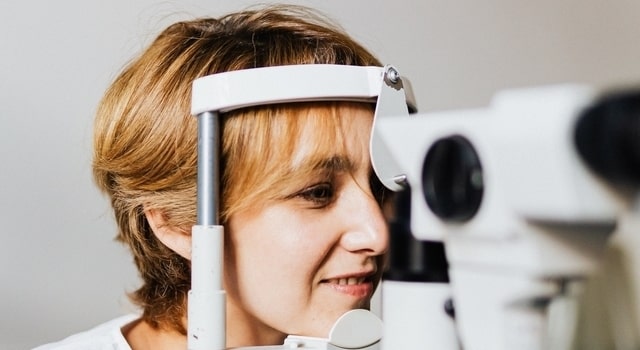
Comprehensive eye exams conducted by an optometrist or ophthalmologist provide a complete evaluation of your eye health. These exams include a variety of tests and procedures beyond what a vision screening can offer.
Comprehensive eye exams typically include:
- Visual Acuity and Refraction Tests: Assess clarity of vision and determine the exact prescription needed.
- Eye Health Evaluation: This may include pupil dilation to examine the retina and optic nerve. It also involves screening for glaucoma, cataracts, and other diseases.
- Advanced Imaging: Techniques like retinal imaging and OCT give a detailed view of the eye’s internal structures.
Benefits Of Comprehensive Eye Exams
- Early Detection: Identifies eye diseases in their early stages, allowing for timely treatment and better outcomes
- Personalized Vision Care: Offers detailed insights into your vision needs and overall eye health
- Overall Health Insights: Can detect signs of other health issues, such as diabetes and high blood pressure, that may affect the eyes
Regular comprehensive eye exams are crucial for everyone, regardless of age or perceived vision clarity. They help maintain optimal eye health, prevent vision loss, and address any changes in your vision or eye health.
Request Your Comprehensive Eye Exam
At EyeCare Plus, we aim to provide comprehensive eye exams that ensure your eyes receive the best possible care. Don’t wait for symptoms to appear. Request your comprehensive eye exam to protect your vision and maintain optimal eye health.